The Need for Intersectional Heatplans

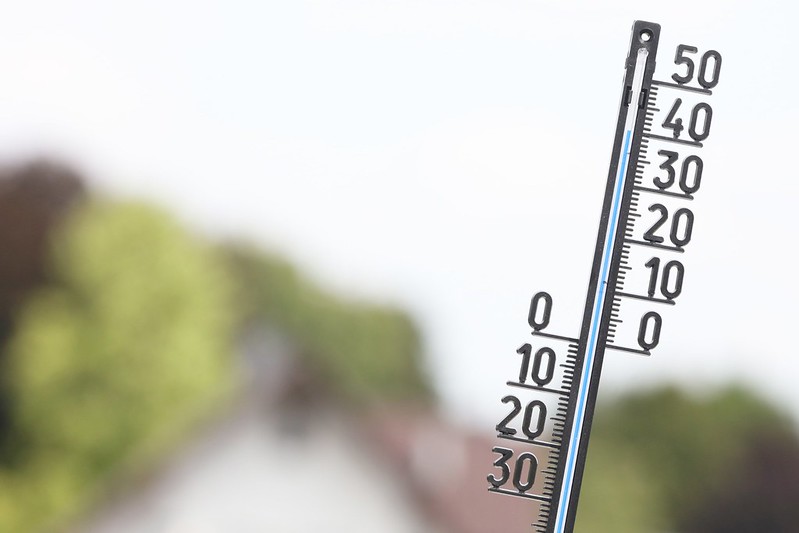
In the summer of 2023, several days of 35-degree temperatures forced Germany and Austria to issue extensive heat warnings, advising residents—especially those in high-risk groups—to stay indoors. While these immediate responses helped in a crisis, they also highlighted the urgent need for long-term climate adaptation strategies that account for intersecting risk factors. As climate change intensifies, these strategies are only becoming more critical. The summer … Continue reading The Need for Intersectional Heatplans

Why women climate migrants in rural India are resorting to hysterectomies

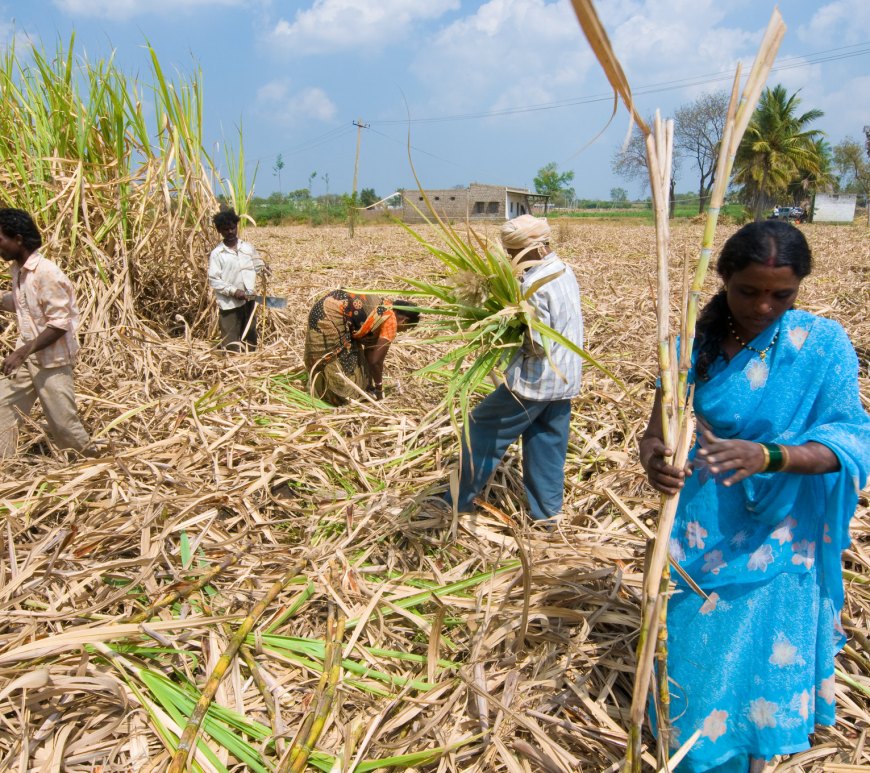
On a typical day, Jayashree Ohwal works for 12 to 18 hours, tying sugarcane stalks into bundles, carrying them from the fields, and loading them onto tractors stationed nearby. It was while ferrying these bundles in 2017 that Jayashree first noticed her menstrual flow becoming unusually painful and heavy. “I used to always stain my saree during periods. It was so embarrassing to walk with … Continue reading Why women climate migrants in rural India are resorting to hysterectomies

Feminist Climate Justice in the Face of Non-action.

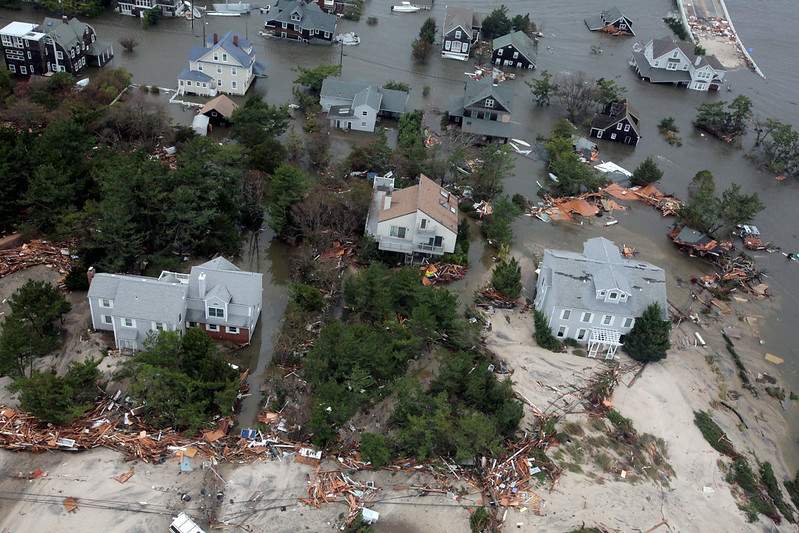
By Lila Sax dos Santos Gomes In 2023, the South of Brazil was hit for the third year in a row by extreme rains, leading to intense flooding and infrastructure collapse. Zoraia Câmara left her house, fleeing with her dogs to her neighbors apartment, where she temporarily found shelter. “it’s not worth it” she told BBC news Brazil “this just keeps happening, I can’t stay … Continue reading Feminist Climate Justice in the Face of Non-action.

Why fighting gender disinformation is a form of climate action

Both climate and gender disinformation are rampant. How are they connected? When Catherine McKenna was appointed Canada’s minister of environment and climate change from 2015 to 2019, she was excited. It was the year that the world adopted the Paris Agreement – one of the most significant pieces of climate legislation to date – and McKenna led the negotiations on behalf of Canada. While in … Continue reading Why fighting gender disinformation is a form of climate action

The LGBTQ+ community and climate change: A Q&A with Leo Goldsmith

American speculative fiction author William Gibson once said, “The future is already here—It’s just not very evenly distributed.” The same has been said about climate change. We know that climate impacts are unevenly distributed among different demographic groups, such as the poor, women, and Black, Indiginous, and People of Color (BIPOC) communities. But little research exists on the disparate and disproportionate ways that LGBTQ+ people … Continue reading The LGBTQ+ community and climate change: A Q&A with Leo Goldsmith

When Drought and HIV Collide

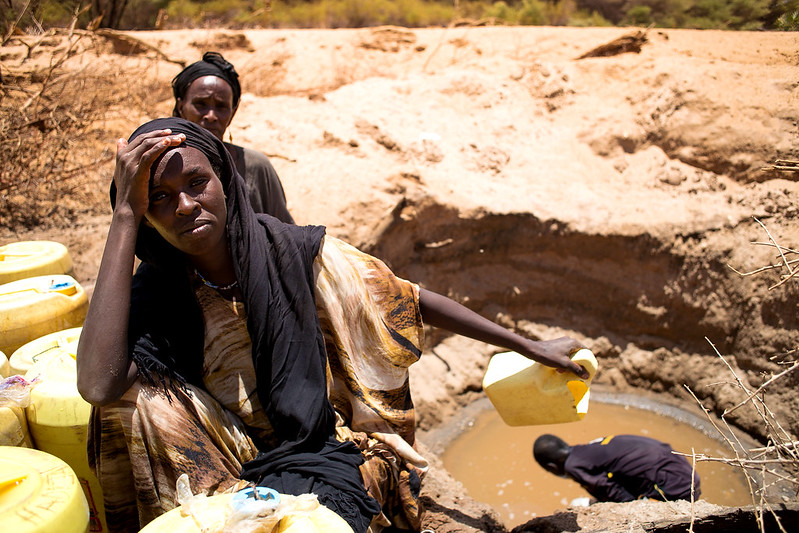
Why climate change’s impact on women in sub-Saharan Africa needs to be treated as the health crisis that it is By Edith Magak When the HIV pandemic emerged in the 1980s, men were more likely than women to acquire the disease. But today, women are the face of the virus. In sub-Saharan Africa, over 60% of people living with HIV are female. This feminization of … Continue reading When Drought and HIV Collide

Health in Harmony: a Planetary Health Approach in the Making

When people think of what drives tropical deforestation, they think of what are referred to as “the big five”: cattle, soy, palm oil, timber and pulp, and cacao. And for sure, these industries are responsible for a large part of tropical deforestation. But what if someone told you: lack of access to healthcare, or high maternal mortality rates could also be considered a driver? And … Continue reading Health in Harmony: a Planetary Health Approach in the Making

Biodiversity, Gender, and Indigenous Rights. A Q&A with Pragyaa Rai

By: Yarrow Global Biodiversity is having a moment. Currently, governments around the world are deciding on a new Global Biodiversity Framework, expected to be adopted next year. The Kunming Declaration, released at the end of the UN Biodiversity Conference’s latest High Level Segment this October, calls on the States Parties to act urgently on biodiversity protection in decision-making and recognise the importance of conservation in … Continue reading Biodiversity, Gender, and Indigenous Rights. A Q&A with Pragyaa Rai

Mainstreaming Gender can make Health Systems more Resilient

By Yarrow Global Health systems resiliency is becoming a central concept in Global Health. Still missing from this concept is a true integration of gender. Recently, Yarrow Global Consulting put on a panel to explore the connection between gender and health systems resiliency. Sumegha Asthana, Co-Founder of Global Women in Health Chapter India facilitated a conversation with Dr Revati Phalkey, Head of the Climate Change … Continue reading Mainstreaming Gender can make Health Systems more Resilient

Bodily autonomy, reproductive freedom, and the environment. A Q&A with Maria Tanyag

Maria Tanyag is a Research Fellow and Lecturer in the Department of International Relations, Coral Bell School of Asia Pacific Affairs at the Australian National University. Her research seeks to understand gendered insecurities, contestations and transformative politics in the context of multiple and intersecting crises. She focuses on the Asia-Pacific region and the Philippines in particular. Her most recent publications are: “Sexual Health and World … Continue reading Bodily autonomy, reproductive freedom, and the environment. A Q&A with Maria Tanyag