The Need for Intersectional Heatplans

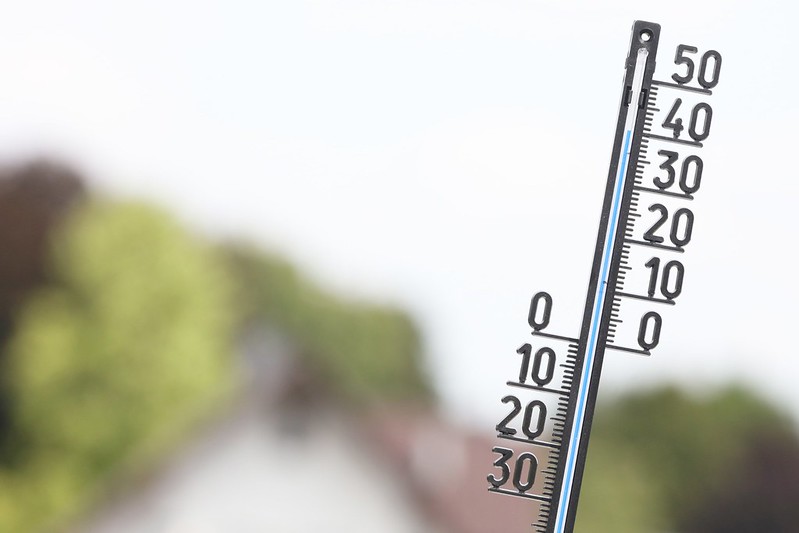
In the summer of 2023, several days of 35-degree temperatures forced Germany and Austria to issue extensive heat warnings, advising residents—especially those in high-risk groups—to stay indoors. While these immediate responses helped in a crisis, they also highlighted the urgent need for long-term climate adaptation strategies that account for intersecting risk factors. As climate change intensifies, these strategies are only becoming more critical. The summer … Continue reading The Need for Intersectional Heatplans

Feminist Climate Justice in the Face of Non-action.

By Lila Sax dos Santos Gomes In 2023, the South of Brazil was hit for the third year in a row by extreme rains, leading to intense flooding and infrastructure collapse. Zoraia Câmara left her house, fleeing with her dogs to her neighbors apartment, where she temporarily found shelter. “it’s not worth it” she told BBC news Brazil “this just keeps happening, I can’t stay … Continue reading Feminist Climate Justice in the Face of Non-action.

When Drought and HIV Collide

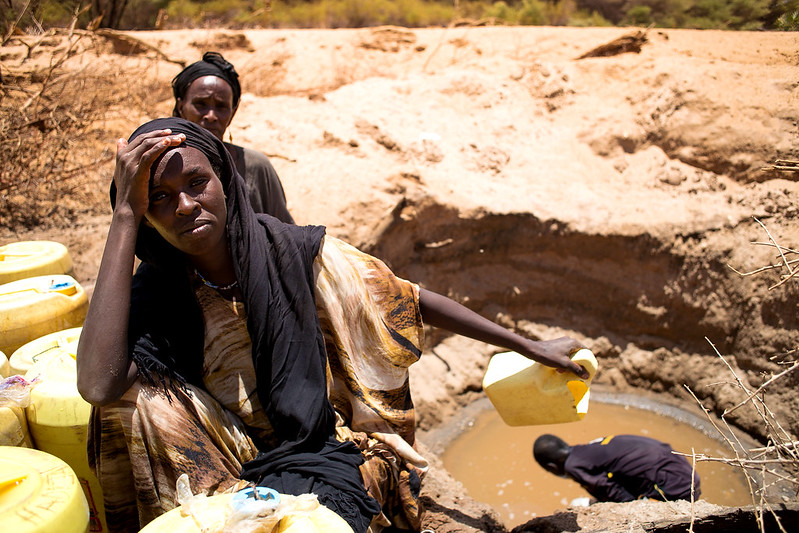
Why climate change’s impact on women in sub-Saharan Africa needs to be treated as the health crisis that it is By Edith Magak When the HIV pandemic emerged in the 1980s, men were more likely than women to acquire the disease. But today, women are the face of the virus. In sub-Saharan Africa, over 60% of people living with HIV are female. This feminization of … Continue reading When Drought and HIV Collide

Biodiversity, Gender, and Indigenous Rights. A Q&A with Pragyaa Rai

By: Yarrow Global Biodiversity is having a moment. Currently, governments around the world are deciding on a new Global Biodiversity Framework, expected to be adopted next year. The Kunming Declaration, released at the end of the UN Biodiversity Conference’s latest High Level Segment this October, calls on the States Parties to act urgently on biodiversity protection in decision-making and recognise the importance of conservation in … Continue reading Biodiversity, Gender, and Indigenous Rights. A Q&A with Pragyaa Rai