
A Q& A with Aimee-Noel Mbiyozo
There is no tool for development more effective than the empowerment of women.
– Kofi Annan, Former Secretary-General of the United Nations
As climate change becomes more pronounced and urgent, research is showing us that the impacts fall differently and disproportionately on women, revealing and heightening current inequalities. Migrant women, especially, are particularly vulnerable to climate change because of gender and xenophobic stereotypes and the fact that even without climate change, they often struggle to access basic rights. What remains less well-researched is how women themselves are changing things like climate adaptation by bringing their unique experiences and perspectives to the field.
To better understand how women unique experiences can be both a challenge to overcome as well as an important resource we talked to Aimee-Noel Mbiyozo, a senior research consultant at the Institute for Security Studies. Her work highlights the intersection of climate change, gender, and migration in policy development in Africa, the Middle East, and Asia. Her research has emphasized the crucial role that female climate change leadership plays for governments and policy organizations showing that when women contribute to climate change solutions, they often achieve better results as a whole and for their communities. This can be for a variety of reasons: they have a deeper community reach, making them more aware of people’s immediate needs, and their focus is often on long-term and more sustainable solutions to the climate crisis, which could and should make a considerable contribution to climate policy. Overcoming barriers to policy-making spaces, knowledge access, and basic rights still remain a huge challenge, showing clearly how women’s rights are deeply connected to creating equitable climate chnage solutions.
Yarrow Global spoke to Mbiyozo about the struggles women face from climate change, the importance of valuing the skills and labor offered by women, and the need to work towards deeper rights, including funding, policy change, and the inclusion of women in decision-making processes.
Yarrow Global: What are the ways that women are disproportionately affected by climate change, and what makes certain women more vulnerable?
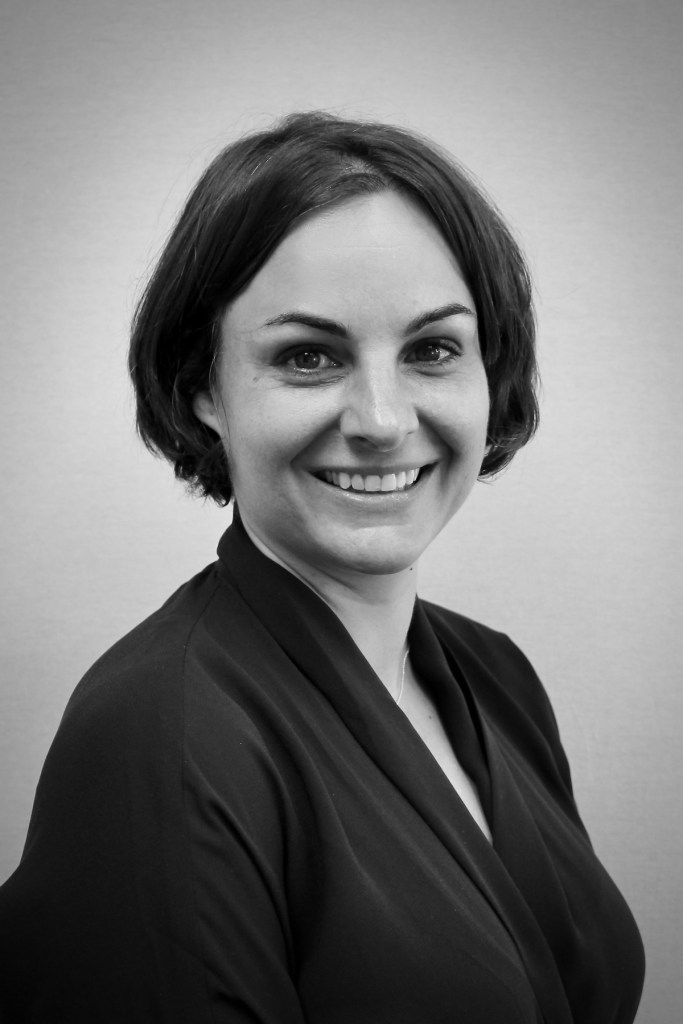
Aimee-Noel Mbiyozo: We know that women are impacted by social injustice and inequality in general. Gender inequality means that women are expected to look after the home, and girls are often less educated than boys. Women own less land, face greater health challenges, and are often employed in insecure occupations. Women often rely more on natural resources to create a livelihood than men do.
In sub-Saharan Africa, for example, 60% of women work on the land, and 80% of agriculture is produced by women. Women use water in their homes to care for their children, cook, and look after the elderly. Climate-related water shortages impact the running of homes. Increasing the time needed to collect water during scarcity reduces access to education and places women in physical danger as they seek out new resources.
This problem becomes more pronounced or complex as different aspects of a woman’s identity are taken into account. Women who live in the city face inequities but have more access to power than rural women. LGBTQ+ women will face additional challenges. Men often migrate to the cities during adverse events, leaving women to raise families under what can be hazardous conditions. However, women are often forced to migrate because of weather dangers and climate hazards.
Migrant women often struggle to access their rights, making it difficult for them to create secure homes for their children. At the same time, women who migrate from a rural area to a city often have greater access to economic resources as well as opportunities for education. Migration can help women disrupt gender-based norms and live more independently. To assist women, climate change policies need to take gender into account and increase funding for adaptations that include mobility considerations.
YG: How does access to rights and representation impact women’s vulnerability to climate change?
ANM: Women are vulnerable because they lack political power and access to rights and resources needed to build resilience to climate impacts, like income protection. Men are often more aware of their rights than women are. As a result, women are 14 times more likely to die in a climate catastrophe than men, and women make up 80% of the population displaced by climate change. Women are largely underrepresented in climate change negotiations and agreements, where the majority of decision-makers are men. In COP28, for example, women made up only 38% of delegates and took up only 24% of speaking time. Men are often more informed than women. There are some women who might not know, but even very well-informed women battle to access what is available. Migrant women, in particular, will struggle. You will find that even in countries where there are laws to protect migrant women, like South Africa, there are many barriers and the process is so unpleasant that accessing rights is very hard to achieve. This means that many women forced to migrate due to climate change are struggling to create homes for themselves and their children.
YG: What resources do women have to help them adapt to the challenges faced by climate change?
ANM: Despite being powerful community advocates, change agents, and leaders who can drive climate action, women’s voices and perspectives on climate change are underrepresented. Women are at the forefront of climate change. They have unique perspectives, approaches, and skills that should inform and lead. There is a need to include women in decision-making about climate adaptation, funding, and policymaking at both civil and governmental levels.
Women struggle to access resources that help them respond to climate change. When it comes to resources, women are more limited. In Africa, for example, women are responsible for 80% of agriculture, but they rarely own the land they farm. Finally, the resources available to assist women in accessing land or building up their farms are often not available to all women. Although there are climate funds available, funding tends to go to countries and communities that already have international funding streams. This means that people who have the procedures to acquire funding are more likely to get further funding, while other communities go without.
YG: How are women taking the lead during the climate crisis?
ANM: There are definitely women making a difference and women who are doing positive work. There are women speaking out or representing their communities to lead them towards positive change. Again, powerful women often have access to urban centers. However, climate change means that women are taking on the role of leaders. Women work on the ground, and many are able to adapt in helpful ways. Women have been involved in reforestation projects, soil management, drought-resistant seeds, and restoration projects. One group of women in Senegal recognized that processing fish using artisanal methods would prevent waste and overfishing. These adaptive methods show that women are able to grow stronger under the right circumstances while working towards sustainability. Including women’s voices in policy design, funding initiatives, and strategies would assist in creating gender-aware solutions to climate change.

 Yarrow Global
One thought on “Gender, Mobility and the Climate Crisis ”